
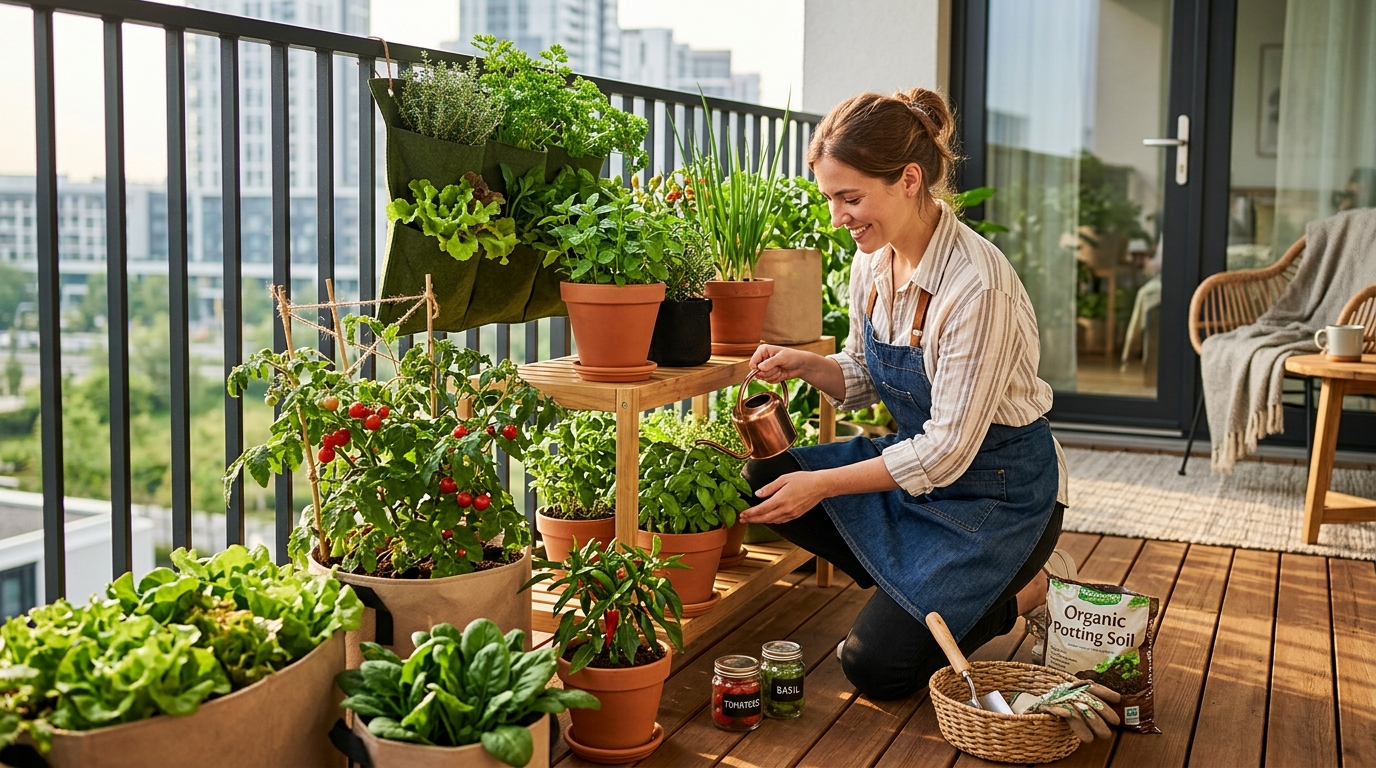
There is nothing quite like eating a tomato you grew yourself. The taste is brighter. The satisfaction is real. And the fact that your salad started life on your own balcony makes it feel less like a meal and more like a small daily celebration.
Vegetable gardening at home has exploded in popularity in India over the last few years, and for good reason. Whether you have a sprawling garden, a modest terrace, or just a sunny balcony in a Mumbai apartment, you can grow fresh, organic vegetables for your family. This guide walks you through everything you need to start.
Why Grow Your Own Vegetables?
The benefits go far beyond saving on grocery bills:
- Pesticide-free food: Most market vegetables carry chemical residues
- Better taste: Home-grown vegetables are picked at peak ripeness
- More nutrition: Vegetables lose nutrients over time after harvest
- Reduced grocery bills: A small kitchen garden saves ₹500-2,000 a month
- Sense of achievement: Watching seeds become food is deeply satisfying
- Family activity: Kids who grow vegetables eat more vegetables
You do not need fancy equipment or a large space. Even a 4-foot by 4-foot area can grow surprising amounts of food.
Step 1: Pick the Right Spot
Vegetables need sunlight — most of them, a lot of it. Walk around your home over a sunny day and identify the spots that get:
- 6+ hours of direct sun: Best for tomatoes, brinjal, chillies, beans, lady finger
- 3-5 hours of sun: Suitable for spinach, lettuce, coriander, mint
- Less than 3 hours: Grow only shade-tolerant herbs like mint and curry leaves
A south-facing or east-facing balcony or terrace usually works best. North-facing spaces are challenging for most vegetables.
Step 2: Choose Beginner-Friendly Vegetables
Some vegetables are far easier to grow than others. Start with these reliable options that thrive in Indian conditions:
Easy starter vegetables:
- Tomatoes: Productive, beautiful, and forgiving. Choose determinate varieties for pots
- Chillies: Almost guaranteed success in India; one plant produces for months
- Lady finger (bhindi): Heat-loving and high-yielding
- Spinach (palak): Ready in 30-40 days; multiple harvests possible
- Methi (fenugreek): Quick-growing and easy to start from seed
- Coriander (dhania): Cool-weather herb; sow every 2 weeks for continuous supply
- Mint: Almost impossible to kill once established
- Curry leaves: A small plant gives years of fresh leaves
- Lettuce: Cool-season vegetable; great for salads
- Radish (mooli): Ready in just 30 days
Moderately easy:
- Beans
- Brinjal (eggplant)
- Pumpkin
- Cucumber
- Bottle gourd (lauki)
Challenging for beginners:
- Cabbage
- Cauliflower
- Carrots
- Capsicum (bell peppers)
- Onions and garlic
Start with 3-5 easy options. Once they thrive, expand your variety.
Step 3: Get Containers and Soil Ready
For most home setups, container vegetable gardening is the way to go.
Container choices:
- Grow bags: Cheap, durable, breathable. Ideal for most vegetables
- Plastic pots: Lightweight and affordable. Ensure drainage holes
- Wooden raised beds: Beautiful and productive but heavier
- Recycled containers: Old crates, buckets, or even plastic bottles can work
Pot size guide:
- Tomatoes, brinjal, chillies: 15-18 inch deep pots
- Lady finger, beans: 12-15 inch pots
- Leafy greens: 6-8 inch pots are enough
- Climbing vegetables: Larger pots with a trellis
Soil mix for vegetables:
- 40% garden soil
- 30% compost or vermicompost
- 20% cocopeat
- 10% sand or perlite
This mix gives roots room to breathe, drains well, and feeds plants slowly.
Step 4: Sow Seeds or Plant Saplings
You have two main starting options:
Seeds: Cheap, exciting, lots of variety. Best for spinach, methi, coriander, radish, beans, and lady finger. Soak hard seeds overnight before planting.
Saplings: Faster results. Buy from a nursery for tomatoes, brinjal, chillies, and capsicum. Look for healthy, dark green leaves and no signs of pests.
General planting tips:
- Plant at the right depth (2-3 times the seed’s diameter)
- Water gently after planting
- Cover newly seeded pots with light mulch to retain moisture
- Mark each pot with the vegetable name and date sown
Step 5: Master Watering and Feeding
Vegetables are thirsty plants, especially in summer. Most need watering at least once a day during peak heat. The basic rule: water when the top 2 cm of soil is dry.
Watering tips:
- Water early morning or evening, not in midday sun
- Water at the base, not over the leaves (reduces fungal diseases)
- Mulch heavily to reduce evaporation
- Reduce watering during monsoon
Feeding your vegetables:
Vegetables are heavy feeders. They need regular nourishment:
- Compost: Add a handful around each plant every 2-3 weeks
- Vermicompost: Excellent slow-release fertiliser
- Banana peel water: Soak peels in water for 3-4 days; use the water on flowering and fruiting plants
- Diluted cow urine: Traditional and effective
- Mustard cake liquid: Soak mustard cake powder in water for a few days
Avoid chemical fertilisers if you want truly organic vegetables.
Step 6: Manage Pests Without Chemicals
Pests will come — that is normal. The trick is to act early and gently.
Common Indian garden pests:
- Aphids
- Whiteflies
- Caterpillars
- Mealybugs
- Fruit flies
Natural pest control:
- Neem oil spray: Mix 5ml neem oil + few drops dish soap + 1 litre water. Spray weekly
- Soap water: For aphids and soft-bodied insects
- Hand-picking: For caterpillars and large pests
- Companion planting: Marigolds and tulsi repel many pests
- Yellow sticky traps: Catch flying insects
Inspect your plants every 2-3 days. Early detection makes pest control easy.
Step 7: Harvest Regularly
Most vegetables produce more when harvested often. Once your plants start producing:
- Pick lady finger every 2 days when 3-4 inches long
- Harvest spinach and methi by cutting outer leaves; the plant keeps growing
- Pick tomatoes when fully red
- Harvest chillies as they reach desired size
- Cut coriander and mint regularly to encourage new growth
Leaving vegetables on the plant too long signals it to stop producing.
A Sample Vegetable Calendar for Indian Homes
Summer (March-June): Lady finger, brinjal, gourds, chillies, tomatoes, beans, basil, mint
Monsoon (July-September): Tomatoes (with rain protection), spinach, methi, lady finger, brinjal, beans
Winter (October-February): Coriander, methi, spinach, radish, carrot, peas, lettuce, broccoli, cauliflower, cabbage
Plan your sowing 4-6 weeks before each season starts.
Common Mistakes to Avoid
- Insufficient sunlight: Most failed vegetable gardens fail here
- Overcrowded pots: Vegetables need space; one tomato plant per 15-inch pot
- Inconsistent watering: Erratic watering causes cracked tomatoes, bitter cucumbers, and bolting greens
- Using only one type of soil: Garden soil alone is too dense
- Ignoring pests: Small pest problems become big ones quickly
- Giving up too soon: First-year gardeners often think failure means they cannot grow vegetables. Persistence wins.
Final Thoughts
Vegetable gardening at home is one of the most rewarding things you can do for your family. The first time you eat a salad with vegetables you grew yourself, you will understand what gardeners mean when they say it changes how you see food.
At QuickHomeSolution, we connect you with verified gardening service providers across India who can help you set up, maintain, or troubleshoot your vegetable garden. Whether you want a small herb patch or a full kitchen garden setup, professional help makes everything easier.