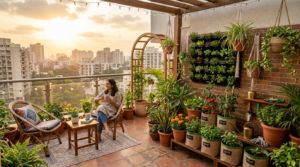
There is something deeply satisfying about a home garden. The first green sprout from a seed you planted. The smell of wet soil after watering. The bright cheer of flowers on your balcony when the rest of the world feels grey. It does not matter whether you have a sprawling backyard or a tiny apartment balcony — anyone can become a gardener.
If you have been wanting to start but feel overwhelmed by all the advice online, this guide is for you. We walk you through the simplest, most practical home gardening tips for Indian conditions, with no jargon and no complicated tools.
Why Home Gardening Is Worth It
Beyond the obvious beauty, home gardening offers real benefits:
- Mental health: Studies show even 15-30 minutes of gardening reduces stress and improves mood
- Fresh produce: Pesticide-free vegetables and herbs grown in your own home
- Better air quality: Indoor and balcony plants filter common air pollutants
- A learning hobby: Kids who garden learn patience, science, and responsibility
- Connection to nature: Especially valuable for city dwellers far from green spaces
You do not need much to begin. A few pots, basic soil, some seeds or saplings, and patience.
Step 1: Decide What Kind of Garden You Want
Start by being honest about your space, sunlight, and time:
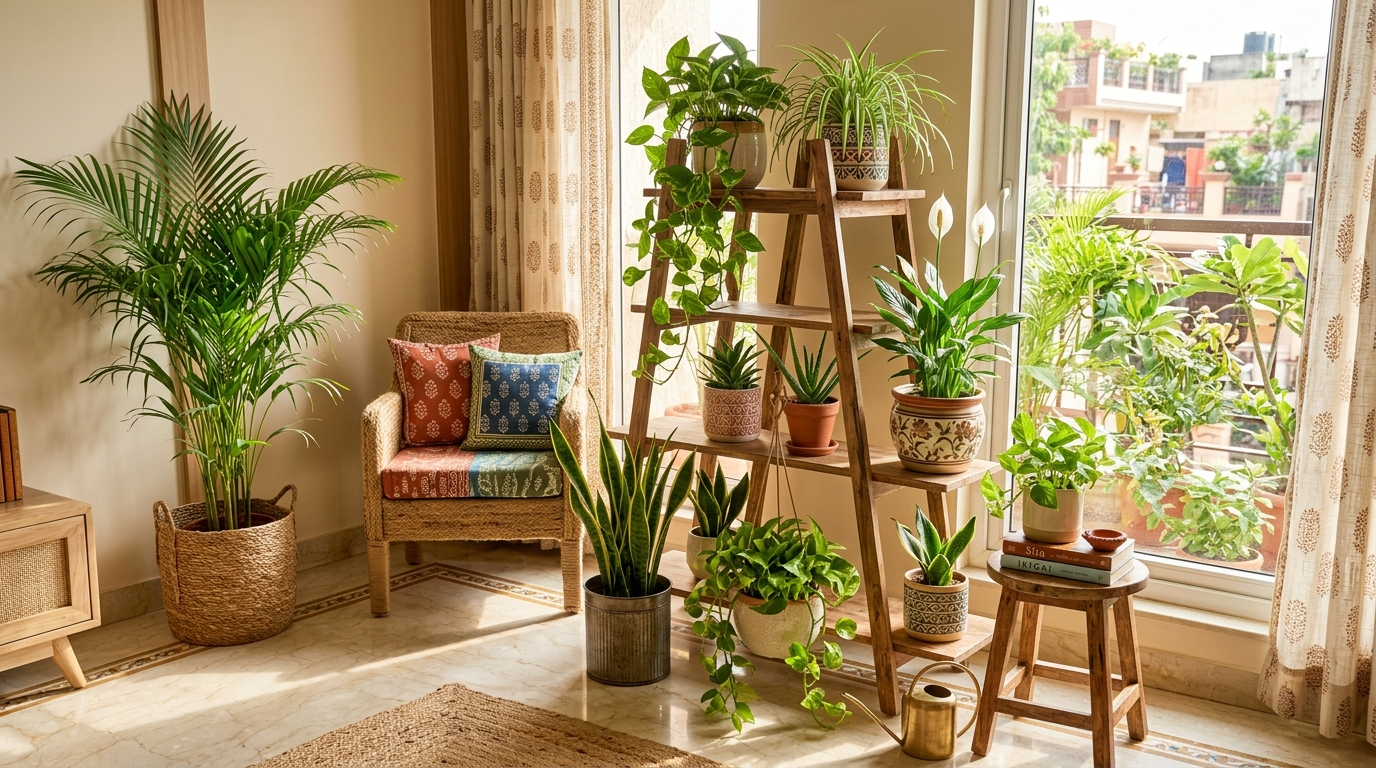
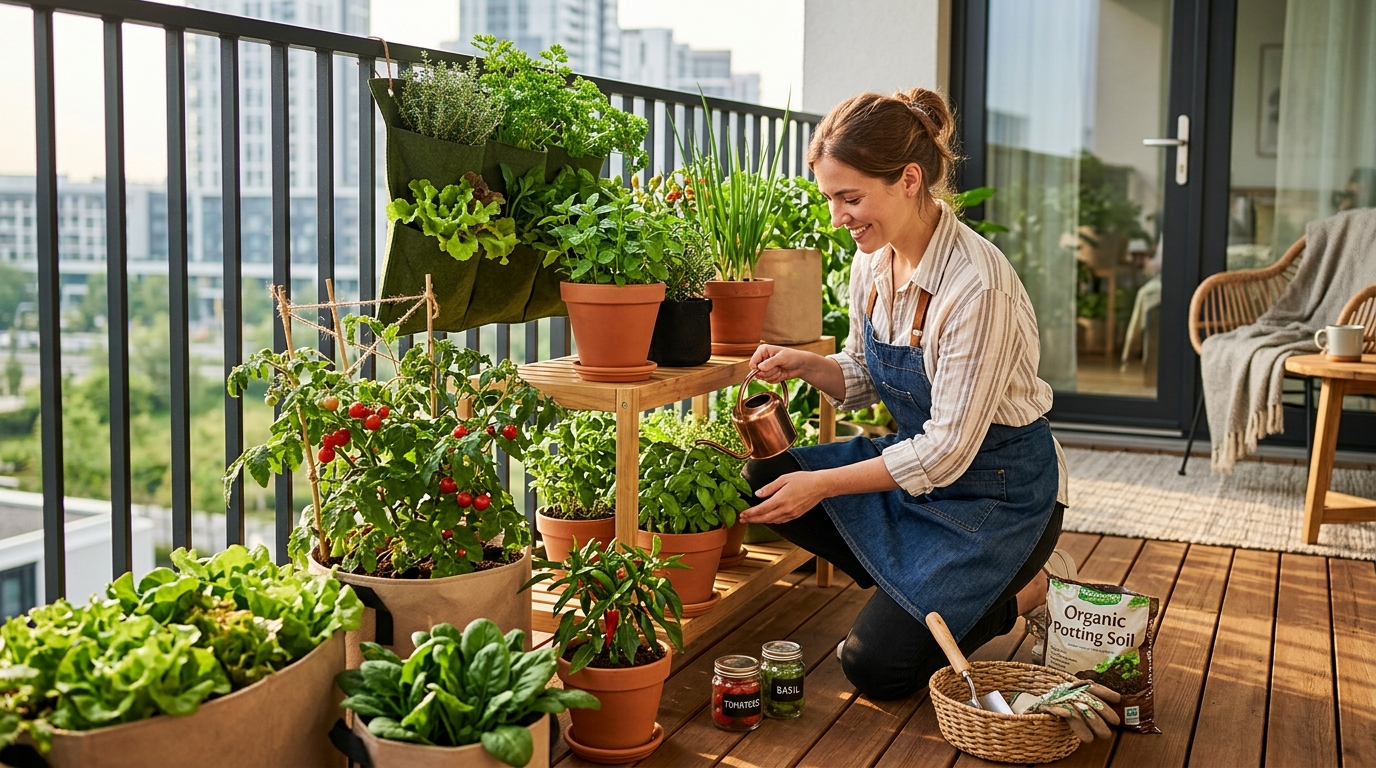
Balcony or Window Garden: Perfect for apartment dwellers. Choose pots and hanging planters. Best for herbs, flowers, and small vegetables.
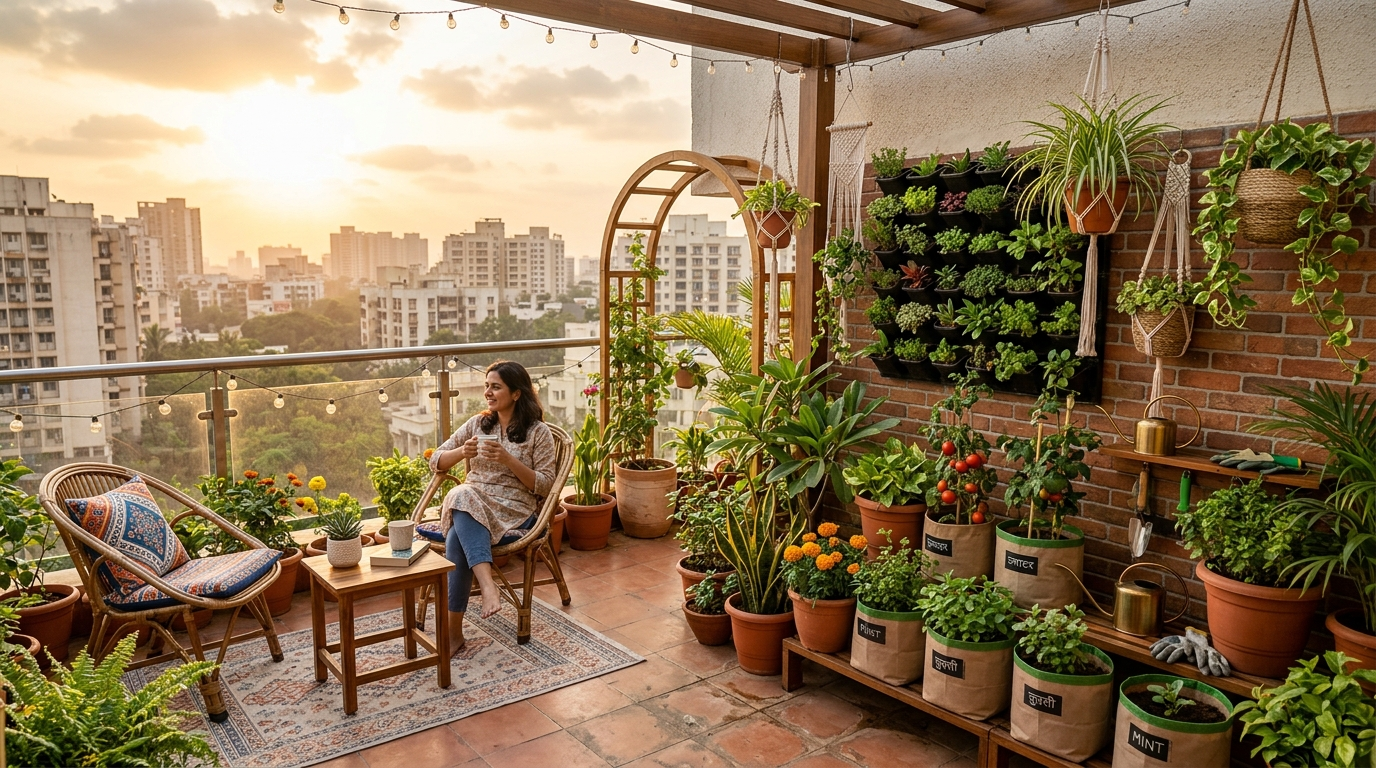
Terrace Garden: Great for those who own the rooftop or have permission to use it. Allows larger plants, vegetables, and even small trees in pots.
Indoor Garden: For homes with limited outdoor space. Focus on low-light tolerant plants in living rooms, bedrooms, and kitchens.
Backyard or Front Yard Garden: The traditional setup if you have ground space. Can include flower beds, vegetable patches, and decorative plants.
There is no “right” choice — the best garden is the one you can realistically maintain.
Step 2: Understand Your Sunlight
This is the single most important factor in plant selection. Watch your space at different times of day for a week.
- Full sun (6+ hours direct): Most vegetables, roses, hibiscus, marigold, tomatoes, chillies
- Partial sun (3-6 hours): Mint, coriander, fern, money plant, ferns, ferns, ferns, areca palm
- Shade (less than 3 hours): Snake plant, peace lily, pothos, ZZ plant, ferns
Forcing a sun-loving plant into shade is the most common reason new gardeners fail. Match the plant to your light, not the other way around.
Step 3: Pick Beginner-Friendly Plants
Start with plants that forgive mistakes. These are the most reliable plants for beginners in India:
Flowers:
- Marigold: Hardy, colourful, and grows quickly from seed
- Hibiscus: Indian classic, handles heat well, blooms for months
- Rose: Choose hardy varieties; needs morning sun
- Periwinkle (sadabahar): Almost impossible to kill, blooms year-round
Herbs:
- Tulsi: Sacred, useful, and very hardy
- Mint: Spreads quickly, perfect for tea and chutney
- Coriander (dhania): Cool-season herb, easy to grow
- Curry leaves: A small plant that gives years of fresh leaves
Vegetables:
- Tomato: Beginner-friendly with steady sunlight
- Chilli: Easy and prolific
- Spinach (palak): Quick to grow, ready in 30 days
- Lady finger (bhindi): Forgiving and rewarding
Indoor Plants:
- Money plant: The classic Indian indoor plant
- Snake plant: Tolerates neglect and low light
- Aloe vera: Useful and almost indestructible
- Spider plant: Air-purifying and easy to propagate
Avoid starting with delicate or exotic plants. Build confidence first, then experiment.
Step 4: Choose the Right Pots
Pot choice affects plant health more than most beginners realise.
Drainage: Every pot must have at least one drainage hole at the bottom. Without it, water collects, roots rot, and plants die.
Material:
- Terracotta (clay): Excellent for most plants, allows roots to breathe
- Plastic: Light and cheap, but heats up in direct sun
- Ceramic: Beautiful but heavy and breakable
- Recycled containers: Old buckets, paint tins, and water bottles can work, but make sure to add drainage holes
Size: Match pot size to plant size. Most beginners use pots that are too small. A general rule: the pot should be at least as wide as the plant’s mature size.
Step 5: Get the Soil Right
Plants live or die based on their soil. Garden centre staff will sell you fancy soil mixes, but you can prepare a great mix yourself:
Basic potting mix recipe:
- 40% garden soil
- 30% cocopeat or compost
- 20% sand or perlite
- 10% well-rotted manure or vermicompost
Mix well and use immediately or store in a sealed bag. Refresh the soil in pots every 6-12 months as nutrients deplete.
Step 6: Master the Art of Watering
Overwatering kills more plants than underwatering. The signs are surprisingly similar — yellow leaves, drooping, soft stems — but the cause is opposite.
General rules:
- Stick a finger 2-3 cm into the soil. Water only if it feels dry
- Water deeply until water flows from the drainage hole, then stop
- Water early morning or evening, not in midday heat
- Reduce watering during monsoon and increase in summer
- Never let pots sit in standing water
Different plants need different amounts. Succulents need very little. Leafy vegetables need a lot. Watch your plants and learn their cues.
Step 7: Feed Your Plants
Plants in pots cannot find their own nutrients. They need regular feeding to grow well.
Easy options for beginners:
- Cow dung manure: Traditional, effective, and locally available
- Vermicompost: Quick acting, available in most plant nurseries
- Banana peels: Soak in water for a few days; the water makes great liquid fertiliser for flowering plants
- Used tea leaves: Mix into soil; provides slow-release nutrients
- Eggshell powder: Crushed eggshells provide calcium
A general schedule: feed flowering and vegetable plants every 2-3 weeks during the growing season. Indoor plants every 4-6 weeks.
Step 8: Watch for Pests
Pests are part of every garden. The trick is to spot them early and act gently.
Common Indian garden pests include aphids, mealybugs, whiteflies, and caterpillars. Most can be controlled without chemicals:
- Neem oil spray: A natural all-purpose pest deterrent
- Soap water spray: Mild dish soap diluted in water kills soft-bodied insects
- Hand-picking: For caterpillars and large pests
- Companion planting: Marigolds repel many garden pests
Avoid harsh chemical pesticides, especially on edible plants. They are usually unnecessary in a home garden.
Common Beginner Mistakes to Avoid
- Planting too many things at once: Start with 3-5 plants and grow from there
- Watering on a fixed schedule: Plants need water based on soil dryness, not the calendar
- Choosing plants that do not match your light: Honest assessment is everything
- Ignoring drainage: Without it, even great plants die
- Giving up too soon: Every gardener kills plants. Learn and try again
Final Thoughts
Home gardening is one of the most rewarding hobbies you can start. It teaches patience, fills your home with life, and gives you something beautiful to come home to every day. Begin small, choose easy plants, water mindfully, and enjoy the process.
At QuickHomeSolution, we connect homeowners with verified gardening service providers across India who can help with everything from setup to ongoing maintenance. Whether you are starting your first balcony garden or planning a full terrace makeover, expert help is just a click away.