How to Find the Best Carpenter Near You: Hiring Guide for 2026

Furniture you love is something you live with for years. Furniture you regret is something you live with even longer — until you finally pay to replace it. The difference between the two often comes down to one decision: which carpenter you hired.

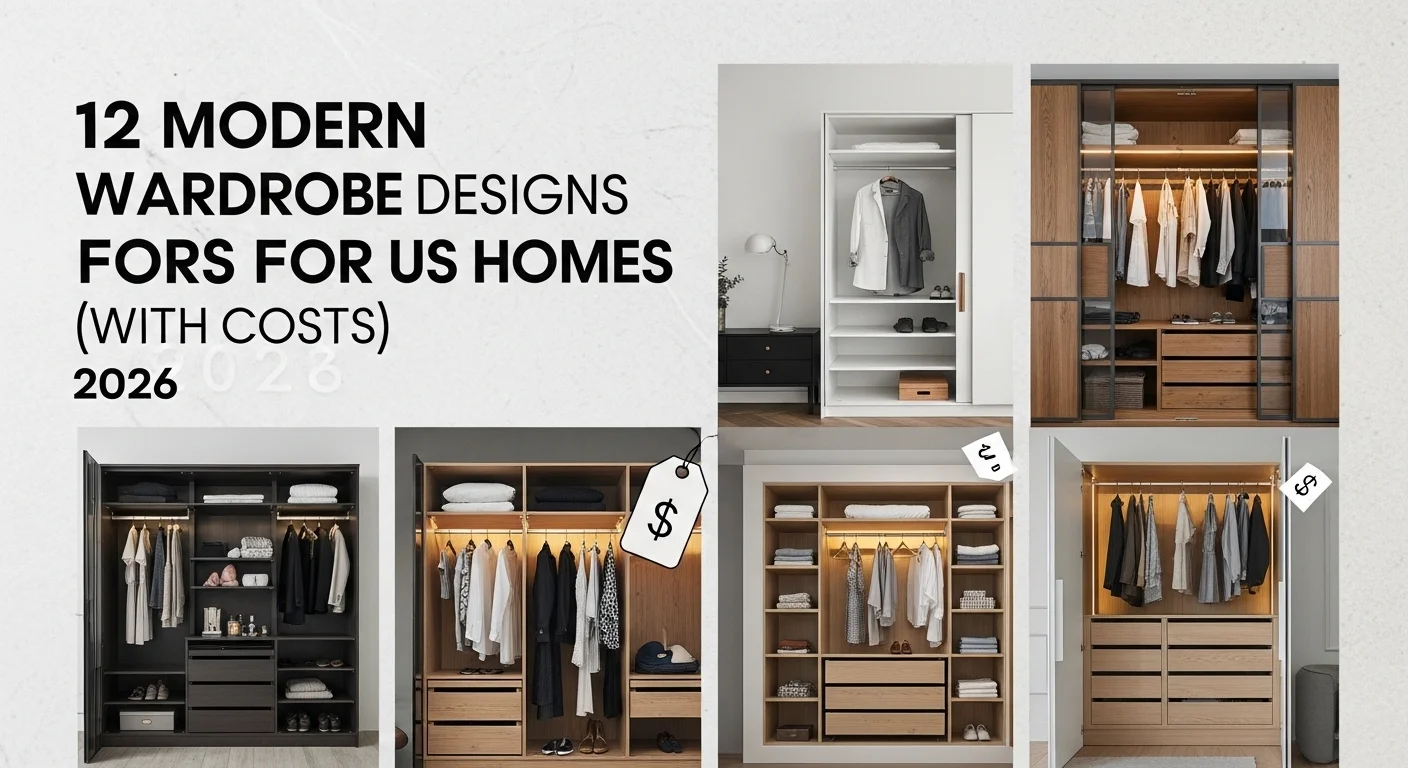
A skilled carpenter can transform your home with custom wardrobes, beautiful beds, and clever modular storage that fits your exact space. A careless one can leave you with crooked drawers, splintering edges, and a hefty bill for materials that were not what you paid for. This guide walks you through everything you need to know to find the best carpenter near you and avoid the common pitfalls.

Why Choosing the Right Carpenter Matters

Carpentry is a craft, not just a service. Two carpenters can be given the same materials and the same brief, and one will produce something elegant and the other something average. The difference shows up in:

  • The finish of every cut and joint
  • The smoothness of every drawer slide
  • The squareness of every corner
  • The longevity of the piece five years from now

Hiring the right carpenter is not just about price. It is about value over time.

Step 1: Understand the Type of Carpenter You Need

Carpenters in us typically specialise in one of these areas:

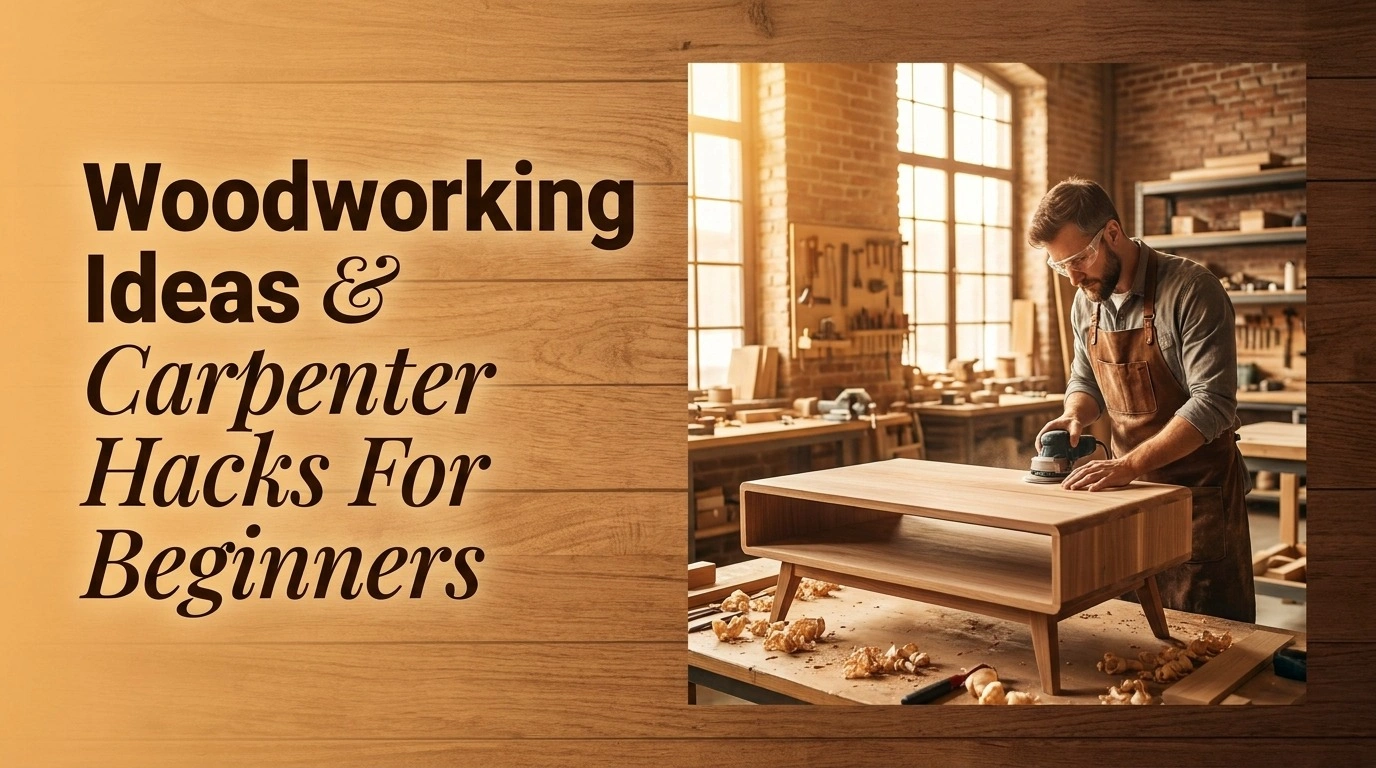
Furniture Carpenters: Build standalone furniture like beds, tables, sofas, and chairs. Best for traditional wooden furniture and custom pieces.

Modular Carpenters: Specialise in modern modular wardrobes, kitchens, and storage systems using engineered wood like plywood, MDF, and particleboard.

Interior Carpenters: Handle complete interior fit-outs including false ceilings, panelling, and built-in storage. Best for renovation projects.

Specialist Carpenters: Focus on specific niches like solid wood furniture, traditional hand-carved work, or office and commercial fit-outs.

Match the carpenter to the job. A furniture specialist may not be ideal for modular kitchen work, and vice versa.

Step 2: Where to Search for the Best Carpenter

The best carpenters often have a strong local reputation but limited online presence. Here is where to look:

Word of mouth: Ask neighbours, friends, and your residential society’s RWA. Carpenters who work in the same building or society are usually familiar with the layout and style.

Verified online platforms: Services like QuickHomeSolution background-check and rate carpenters, making it easy to find reliable professionals near you.

Furniture markets: Visit local furniture markets and showrooms. Many independent carpenters work directly with these stores or take individual orders.

Interior designers: If you are planning a larger renovation, designers often have trusted carpenters in their network.

Social media: Instagram and Facebook are increasingly used by carpenters to showcase their work. Look for detailed photos, not just a few cherry-picked shots.

Step 3: Verify Their Experience and Skill

Years of experience matter, but they are not the whole story. A carpenter who has been doing the same average work for 20 years is less skilled than one who has spent 8 years constantly improving.

Ask:

  • How many years of carpentry experience do you have?
  • Have you done this exact type of project before?
  • Can I see photos or addresses of past work?
  • Can you give me references from past clients?

Always ask to see real samples — not stock images downloaded from Pinterest. A genuine carpenter will have plenty of their own work to show.

Step 4: Visit Past Work in Person If Possible

For a major project — full wardrobe, modular kitchen, or interior renovation — try to physically visit at least one or two of the carpenter’s past projects. Photos hide flaws that you can spot immediately in person:

  • How smooth are the drawer slides?
  • How clean are the edges and joints?
  • How well do the doors align?
  • Has the work held up over the years?

Most clients are happy to show off a beautiful kitchen if asked respectfully.

Step 5: Discuss Materials in Detail

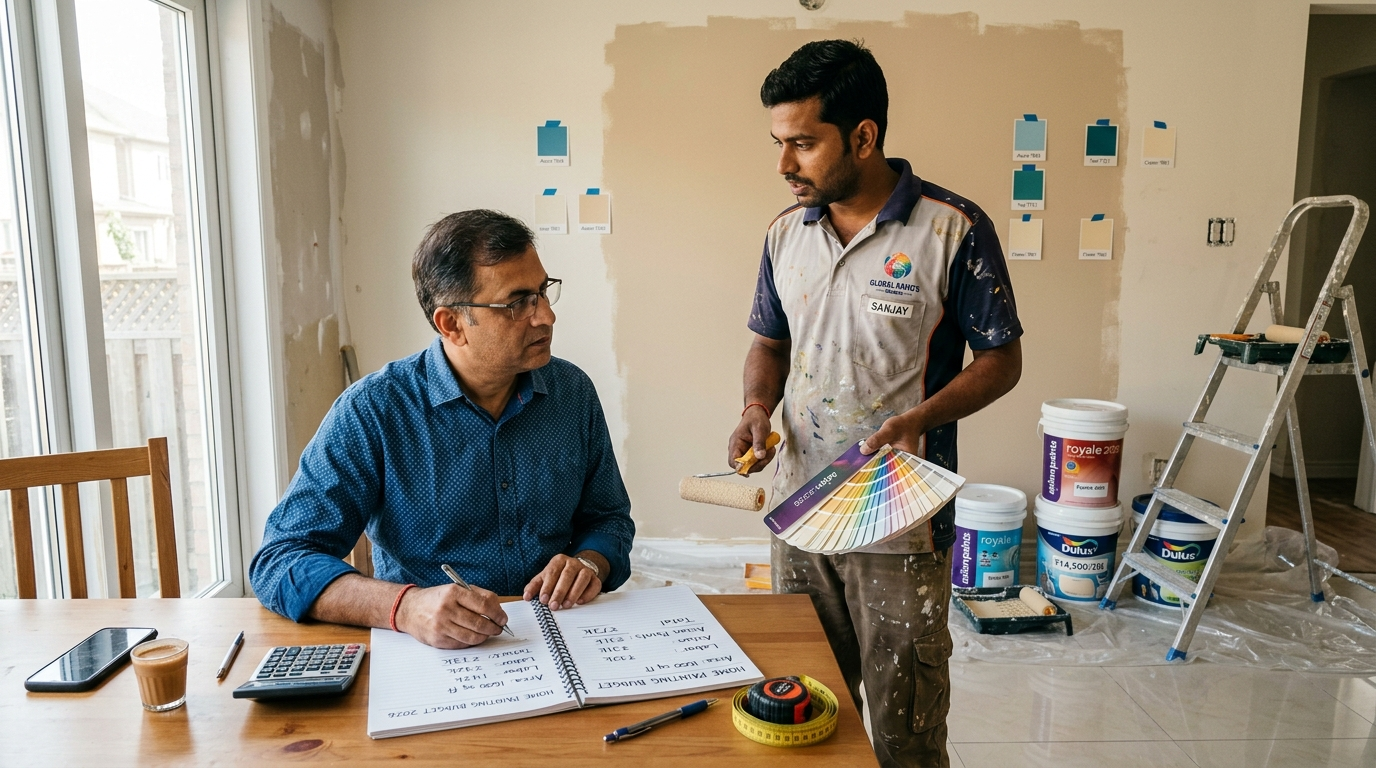
This is where most disputes happen. The same wardrobe can cost ₹40,000 or ₹1,20,000 depending on the materials used. Make sure you and the carpenter agree clearly on:

Wood/Board type:

  • Plywood (BWP/BWR grade for wet areas, MR grade for dry areas)
  • MDF (cheaper, smoother finish, less durable)
  • Particle board (budget option, not ideal for humid areas)
  • Solid wood (premium, durable, expensive)

Brand and grade: Branded plywood (Greenply, CenturyPly, Kitply) costs more but is more reliable than generic options.

Hardware: Hinges, drawer slides, handles, and locks vary widely in quality. Insist on Hettich, Hafele, or Ebco for moving parts that will see heavy daily use.

Finish: Laminate (durable, affordable), veneer (premium look), acrylic (high gloss, modern), PU paint (luxurious finish).

A good carpenter will explain the trade-offs honestly. A bad one will just push the cheapest option.

Step 6: Ask the Right Questions Before Booking

A short conversation can reveal a lot. Ask these questions before any commitment:

  • Do you provide a detailed written quote with material specifications?
  • How long will the project take?
  • Will you work at my home or in your workshop?
  • What is your guarantee on workmanship?
  • Do you handle all hardware installation, or do I need to arrange anything?
  • How much advance is required, and how is the balance paid?
  • Will the same craftsman do the work, or will it be sub-contracted?

The answers to these questions tell you immediately whether you are dealing with a professional or someone winging it.

Step 7: Compare Quotes Carefully

For any project above ₹15,000, get at least two written quotes. Compare based on:

  • Material quality and brand
  • Hardware quality
  • Finish type
  • Number of working days
  • Inclusions (handles, locks, lights, etc.)
  • Workmanship guarantee

The cheapest quote is rarely the best deal. A 20% higher quote with branded materials and proper hardware can give you 5x the lifespan and a much better daily experience.

Step 8: Watch Out for These Red Flags

Avoid carpenters who:

  • Cannot show any past work
  • Pressure you to decide quickly
  • Avoid giving a detailed written quote
  • Demand 100% advance payment
  • Refuse to specify the brand of materials
  • Suggest cutting corners on hardware quality
  • Have many recent negative reviews online

Trust your instincts. If something feels off in the first meeting, it usually gets worse during the project.

Step 9: Document Everything

Once you have chosen a carpenter, sign a simple written agreement covering:

  • Detailed work description with measurements
  • Material specifications with brands
  • Total cost and payment schedule
  • Project timeline with completion date
  • Penalty clause for delays (if any)
  • Warranty period for workmanship

This protects both sides. Disputes are far easier to resolve when there is a written record.

Step 10: Pay in Stages

For large projects, structure payments to match progress:

  • 30-40% advance to start work and buy materials
  • 30-40% midway, when major construction is complete
  • Final 20-30% on completion, after everything is installed and tested

Avoid paying everything upfront. Even with the best carpenter, the work is only fully completed when it is in your home and functioning.

Step 11: Inspect Before Final Payment

Before making the final payment, do a careful inspection:

  • Open and close every door and drawer multiple times
  • Check that all corners are square and edges smooth
  • Confirm all hardware is from the agreed brand
  • Look for any visible damage, scratches, or unfinished sections
  • Make sure the carpenter has cleaned up the work area

Note any issues in writing and ask for fixes before clearing the final payment.

Final Thoughts

The best carpenter near you is not always the cheapest, the busiest, or the one with the most ads. They are the one whose past clients still smile when they look at their furniture three years later.

At QuickHomeSolution, we connect homeowners across us with verified, experienced carpenters who deliver on time, on budget, and with the kind of craftsmanship that lasts. From a single bookshelf to a complete home interior, the right carpenter is closer than you think.

Leave a Comment